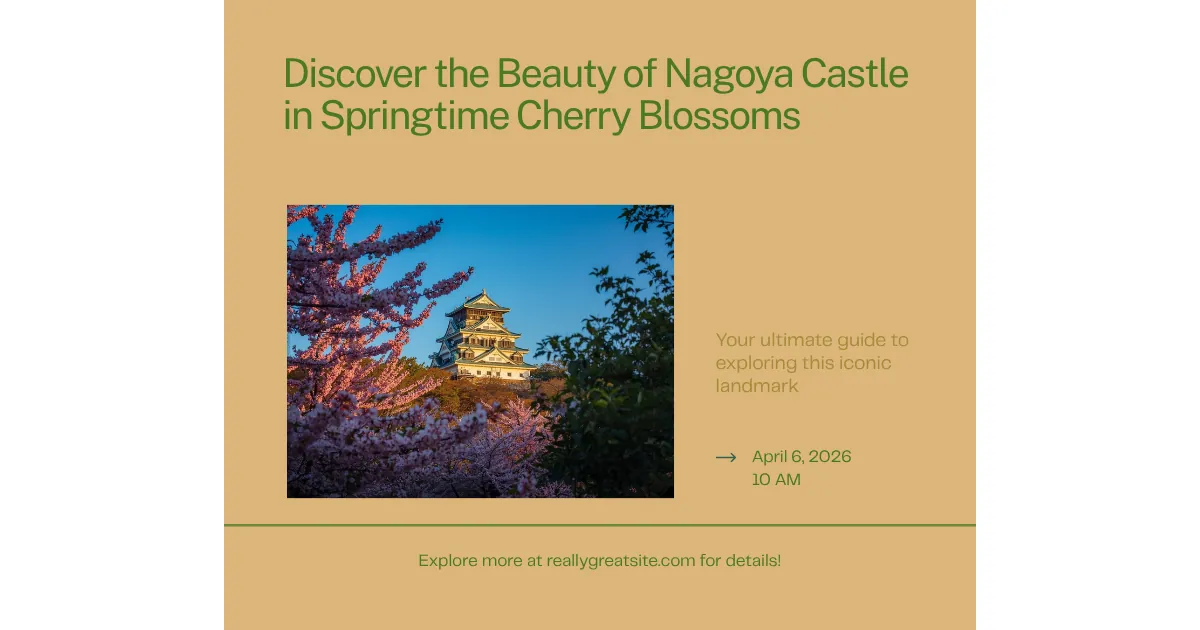

Tokugawa Garden (Tokugawaen) is a strolling pond-style daimyo garden built on the former retirement estate of Tokugawa Mitsutomo, the second lord of the Owari Tokugawa house. The undulating terrain compresses entire mountain landscapes into a single garden, and the seasonal flowers around Ryusenko Pond — including the famous peony garden of nearly 1,000 plants — are the main draw. The adjacent Tokugawa Art Museum houses the inherited treasures of the Owari Tokugawa family, including 9 National Treasures and 59 Important Cultural Properties. Its centerpiece is the National Treasure “Tale of Genji Picture Scroll”, the oldest surviving illustrated narrative scroll in Japan. The on-site Hosa Bunko library completes a rare three-in-one cultural complex. This guide is written by a 35-year Nagoya local and covers access, fees, highlights, seasonal flowers, and a half-day itinerary.
Last updated: May 2026 | Author: Yuu (born and raised in Nagoya, 35 years local)
This article may contain affiliate links. See our affiliate disclosure for details.
Table of Contents
- What Are Tokugawa Garden and Tokugawa Art Museum?
- Access from Nagoya Station and Sakae
- Admission, Hours, and Closing Days
- Tokugawa Garden Highlights: Ryusenko, Ozone Falls, Kosen Bridge
- Tokugawa Art Museum Highlights: National Treasure Genji Scroll
- Hosa Bunko: A Daimyo Library of Edo-Era Knowledge
- Seasonal Highlights: Peonies, Cherry Blossoms, Maples
- Combining with Noritake Garden and Nearby Sights
- Half-Day and Full-Day Itineraries
- Where to Stay Near Tokugawa Garden
- Visiting Tips and FAQ
- About the Author
- Related Guides
What Are Tokugawa Garden and Tokugawa Art Museum?
Tokugawa Garden (Tokugawaen) is a Japanese strolling pond garden in Higashi Ward, Nagoya, operated by the City of Nagoya. The site dates back to 1695 (Genroku 8), when Tokugawa Mitsutomo, the second lord of the Owari Tokugawa house, built his retirement villa here — the so-called Ozone Mansion (Ozone Yashiki) — on grounds that originally exceeded 130,000 tsubo (roughly 43 hectares). After Mitsutomo’s death the estate was passed to senior Owari Tokugawa retainers, donated to the City of Nagoya in the modern era, and largely destroyed in the wartime bombings. The garden was rebuilt in its current strolling pond form and reopened to the public in 2004.
Source: Tokugawa Garden Official Site. History of the garden and the 2004 redevelopment.
The adjacent Tokugawa Art Museum opened in 1935 (Showa 10) as a private museum, founded by Tokugawa Yoshichika, the 19th head of the Owari Tokugawa house. Its core collection is the “Sumpu Owake-mono” — the personal possessions of Tokugawa Ieyasu, distributed to the three branch houses (Owari, Kii, and Mito) after his death in 1616. Combined with works inherited across generations of the Owari Tokugawa family, the museum now holds more than 10,000 items, including 9 National Treasures, 59 Important Cultural Properties, and approximately 50 Important Art Objects. It is one of the most significant daimyo-house collections in Japan.
Source: Tokugawa Art Museum Official Site (English). Total holdings, National Treasure count, and the origin of the collection.
Three Sites, One Daimyo Culture Experience
Tokugawa Garden, Tokugawa Art Museum, and Hosa Bunko are all preserved as part of the Owari Tokugawa family’s legacy, and they sit within a few minutes’ walk of each other on the same grounds. You can stroll a feudal lord’s garden, view the warrior family’s treasures in the museum, and study Edo-period books and maps in the library — a “garden, treasure, knowledge” experience that is genuinely rare in Japan. For travelers building a cultural day in Nagoya, this is one of the most concentrated stops in the city. For broader context on what to do in the area, see our complete list of things to do in Nagoya.

Access from Nagoya Station and Sakae
Tokugawa Garden and Tokugawa Art Museum are located in Tokugawa-cho, Higashi Ward, Nagoya. The closest stations are JR Ozone Station and Subway Meijo Line “Ozone” Station. From Nagoya Station, allow about 20 to 25 minutes; from Sakae, about 15 to 20 minutes.
Routes from Nagoya Station and Sakae
| From | Route | Time | Fare (IC) |
|---|---|---|---|
| Nagoya Station | JR Chuo Line to “Ozone” → 10 min walk | ~20 min | ¥210 |
| Nagoya Station | Subway Higashiyama Line → transfer at “Sakae” to Meijo Line → “Ozone” → 10 min walk | ~25 min | ¥240 |
| Sakae Station | Subway Meijo Line to “Ozone” → 10 min walk | ~20 min | ¥210 |
| Nagoya Station | City Bus Meieki 16 to “Tokugawaen Shinde-ki” → 3 min walk | ~30 min | ¥210 |
| Sakae Station | Sightseeing Route Bus “Me-guru” to “Tokugawa-en, Tokugawa Art Museum, Hosa Bunko” stop | ~25 min | ¥210 single / ¥500 day pass |
Source: Nagoya City Sightseeing Route Bus “Me-guru” Official Site. Stop list and fare information.
The Easiest Option: The Me-guru Sightseeing Bus
For a first visit, the Me-guru sightseeing bus is the most straightforward option. Starting from Nagoya Station, it loops through the Toyota Commemorative Museum, Noritake Garden, Nagoya Castle, and Tokugawa Garden — covering Nagoya’s main sightseeing stops in a single circuit. Onboard announcements support multiple languages, and a 500-yen day pass qualifies you for admission discounts at major sites along the way. Buses run every 20 to 30 minutes on weekends and holidays, and every 30 to 60 minutes on weekdays. For a fuller breakdown of the city’s transit options, see our guide to getting around Nagoya.
Parking
Tokugawa Garden has a dedicated car park (82 standard spaces). Rates are free for the first 30 minutes, then 150 yen per 30 minutes (verify the current rate before visiting). The lot fills quickly during the spring peony festival, cherry blossom weekends, and the autumn leaf-viewing season — arrive early on busy days.
Source: Tokugawa Garden Official Site. Parking capacity and fees.

Admission, Hours, and Closing Days
Tokugawa Garden
| Visitor | Admission |
|---|---|
| Adults / High school / University students | ¥300 |
| Junior high school and younger | Free |
| Nagoya City residents aged 65 and over | ¥100 |
- Open: 9:30 AM – 5:30 PM (last entry 5:00 PM)
- Closed: Mondays (or the first non-holiday weekday after a Monday holiday); New Year holidays (Dec 29 – Jan 1)
Source: Tokugawa Garden Official “Visitor Information”. Admission, hours, and closing days as of April 2026.
Tokugawa Art Museum & Hosa Bunko (Combined Ticket)
| Visitor | Admission |
|---|---|
| Adults | ¥2,000 |
| High school / University students | ¥1,200 |
| Elementary and junior high students | Free |
- Open: 10:00 AM – 5:00 PM (last entry 4:30 PM)
- Closed: Mondays (or the next weekday after a Monday holiday); New Year holidays
Source: Tokugawa Art Museum Official Site (English). Admission, hours, and closing days as of April 2026.
Money-Saving Tips
- Elementary and junior high students enter both sites free — exceptionally family-friendly pricing for a museum of this rank.
- Special exhibition periods can change the museum’s admission price. Always check the official site before going.
- The Me-guru day pass qualifies for discounted admission at both Tokugawa Garden and Tokugawa Art Museum (current discount rates vary; verify on the day).
Tokugawa Garden Highlights: Ryusenko, Ozone Falls, Kosen Bridge
The defining feature of Tokugawa Garden is its compressed mountain-and-valley landscape, expressed through dramatic changes in elevation. As you walk the prescribed route around the central pond, the scenery shifts from sea to mountain to river to village. This is the classic effect of chisen kaiyu shiki, the strolling pond-garden style perfected by the daimyo of the Edo period.
Ryusenko Pond — The Sea at the Center
The Ryusenko Pond at the center of the garden is designed to evoke the sea. Islands large and small float in its waters, while carefully placed rocks and stone groupings around the shoreline represent inlets, capes, and beaches. Carp and brocade carp swim in the shallows, and the pond shows a different face in every season.
From the pond’s far shore, the three-tiered Ozone Falls (Ozone-no-taki) cascade down the slope. Stand at the top of the falls and you can take in the entire garden in one sweep — it is one of the most photographed viewpoints on the grounds.
Source: Tokugawa Garden Official Site. Composition of Ryusenko Pond and Ozone Falls.
Kosen Bridge — A Wooden Bridge Spanning a Ravine
One of the most photogenic spots in the garden is Kosen Bridge (Kosen-kyo). The wooden bridge crosses a deep ravine, and during the new-green season of late spring and the autumn maple peak, the entire bridge appears bathed in color. The artificial Kosen Ravine below is designed with such conviction that it is hard to believe the entire valley was built by hand. Beyond the photographs, this is the spot where the question “what is a Japanese garden?” gets its clearest answer.
Kanseiro — Garden Restaurant with a Pond View
Inside the garden, Garden Restaurant Tokugawaen (Kanseiro) serves French and Japanese kaiseki cuisine with a view over Ryusenko Pond. It is a popular venue for anniversary lunches, hosting overseas guests, and even weddings. If you simply want to take a tea break between strolling the garden and visiting the museum, the more casual Kosuitei cafe inside the grounds is ideal — matcha and seasonal sweets in a quiet setting.

Tokugawa Art Museum Highlights: National Treasure Genji Scroll and Ieyasu’s Possessions
The museum’s holdings exceed 10,000 items. Because the entire collection cannot be exhibited at once, displays rotate throughout the year as themed exhibitions and special exhibitions. The collection’s 9 National Treasures and 59 Important Cultural Properties place it among the most important daimyo-house collections in Japan.
Source: Tokugawa Art Museum Official Site (English). Holdings size and National Treasure count.
The National Treasure “Tale of Genji Picture Scroll” — A 12th-Century Masterpiece
The museum’s signature treasure is the National Treasure “Tale of Genji Picture Scroll” (Genji Monogatari Emaki). Painted in the late Heian period (early 12th century), it is the oldest surviving illustrated narrative scroll in Japan, depicting episodes from Murasaki Shikibu’s “Tale of Genji.” The 15 painted sections held by the Tokugawa Art Museum showcase the extraordinary refinement of Heian-era pigments, the symbolic compositions, and the distinctive “hikime kagibana” facial convention that came to define classical Japanese painting.
Important note: the original scroll is rarely on view. To prevent further deterioration, the original is typically displayed only once a year, most often during a special autumn exhibition. Outside that window, you can see high-precision reproductions and Genji-themed exhibits that capture the atmosphere of the work. Always check the museum’s exhibition schedule on the official site before visiting if seeing the original is your goal.
Source: Tokugawa Art Museum Official Site (English). Holdings information for the Tale of Genji Picture Scroll. Display periods are listed under the official “Exhibitions” page.
Tokugawa Ieyasu’s “Sumpu Owake-mono” Possessions
When Tokugawa Ieyasu died in 1616, his personal effects from Sumpu Castle — armor, swords, tea utensils, calligraphy, and paintings — were divided among the three Tokugawa branch houses (Owari, Kii, and Mito). The Owari portion forms the core of the museum’s collection and is known as the “Sumpu Owake-mono.” Visitors can stand within meters of swords, tea utensils, and letters Ieyasu personally handled.
For Ieyasu enthusiasts, this site is the final stop on a “Tokugawa road” through central Japan: Okazaki Castle (his birthplace) → Nagoya Castle (which he commissioned) → Tokugawa Art Museum (his personal possessions). The route lets you trace his life across three connected sites in a single day. For more on the castle, see our Nagoya Castle complete guide.
The “Hatsune no Chodo” Wedding Trousseau
Another National Treasure on display is the “Hatsune no Chodo” — the 47-piece wedding trousseau of Princess Chiyo, the eldest daughter of the third shogun Iemitsu, when she married Mitsutomo of the Owari Tokugawa house. The set is regarded as a peak of Japanese maki-e lacquerware: a black lacquer ground scattered with gold-powder motifs from the “Hatsune” chapter of the Tale of Genji. It survives as one of the finest examples of early Edo craftsmanship.
Swords, Armor, Noh Costumes, and Tea Utensils
Beyond Genji and Hatsune, the collection includes the National Treasure tachi sword “Mei: Rai Kunimitsu,” Important Cultural Property Noh masks and costumes, ceremonial tea utensils, calligraphy, and paintings. Special exhibitions are organized by genre — armor, swords, tea bowls, and so on — depending on the season. Among collectors of Japanese swords, the Tokugawa Art Museum is widely considered essential viewing.

Hosa Bunko: A Daimyo Library of Edo-Era Knowledge
Hosa Bunko is a public-access historical library next to Tokugawa Art Museum, holding roughly 110,000 items centered on the former book collection of the Owari Tokugawa house. The name “Hosa” — literally “to the left of Horai” — is a classical poetic name for Nagoya. The collection includes the “Suruga Oyuzuri-bon,” books inherited directly from Tokugawa Ieyasu, and stands as one of the most important Edo-period book and manuscript collections in Japan. It is a vivid record of how seriously a daimyo family treated intellectual culture.
Hosa Bunko is included in the standard museum admission ticket. Its rotating displays feature old maps, illustrated books, manuscripts, and Western-language books. For travelers interested in history, classical Japanese literature, or bibliography, this is a quietly rewarding stop that few foreign visitors realize is included with their ticket.
Source: Tokugawa Art Museum Official Site (English). Hosa Bunko collection overview.
Seasonal Highlights: Peonies, Cherry Blossoms, New Greenery, Maples
Tokugawa Garden is one of those gardens that looks completely different in every season. Among Nagoya locals it is widely regarded as a “garden you visit again, in a different season.”
Spring: The Peony Festival (mid-April)
What has made Tokugawa Garden nationally famous is its peony garden of approximately 1,000 plants, including 74 varieties — 51 of which are heritage Edo-period cultivars. The annual “Tokugawaen Peony Festival” (Botan Matsuri), held from mid-April through early May, is one of the most beautiful flower events in central Japan. Wagasa paper umbrellas are placed over the blooms in the manner of Edo-period daimyo gardens, producing a scene that genuinely feels three centuries old. You do not need to travel to Kyoto or Nara to see peonies of this scale — Nagoya holds its own here.
Source: Tokugawa Garden Official Site. Peony festival dates and varieties (2026 dates: April 4 – April 19).
Spring: Cherry Blossoms (late March – early April)
The garden has weeping cherries (shidare-zakura), Yoshino cherries, and double-flowering yae-zakura scattered through the grounds, and the cherry blossoms set against Ryusenko Pond are particularly beautiful. Tsurumai Park and Nagoya Castle are the city’s better-known cherry-blossom spots, but Tokugawa Garden is a genuine quiet alternative for travelers who dislike crowds. For the broader citywide picture, see our complete Nagoya cherry blossom guide.
Early Summer: New Greenery, Iris, and Azaleas (May – June)
The new greenery of May and the irises and azaleas of June are equally striking. On rainy days the green deepens to an almost impossible saturation, and wet moss and stone have a different beauty entirely. The garden is at its most atmospheric in the rain — many photographers consider June a secretly best season. The garden also runs an early-summer “Hanashobu Festival” (Iris Festival), scheduled May 23 – June 7 for 2026.
Summer: Crepe Myrtle and Lotus (July – August)
In summer, pink crepe myrtle (sarusuberi) and white lotus on Ryusenko Pond add cool color. On extreme-heat days, the locals’ move is to enter the moment the gates open at 9:30 AM and head for the museum’s air-conditioned galleries afterward.
Autumn: Maple Leaves (late November – early December)
The garden has roughly 300 maple trees. Around Kosen Bridge and Ozone Falls, the peak in late November to early December produces the kind of fiery scarlet most people associate with Kyoto. In some years the garden hosts a “Tokugawaen Autumn Leaves Light-Up” evening event, where the maples are illuminated against the pond (confirm whether the light-up is running for the year you visit).
Source: Tokugawa Garden Official Site. Autumn foliage peak timing.
Winter: Snow Scenery (January – February)
On the rare days that snow accumulates in Nagoya, the pond catches the falling flakes and the moss-covered stones turn white — a scene worth seeing once if you happen to be in town. Snowfall in central Nagoya is uncommon, so a snow-covered Tokugawa Garden is a few-days-a-year piece of luck.


Combining with Noritake Garden and Nearby Sights
Tokugawa Garden sits in the Higashi Ward / Ozone area, a part of Nagoya designed almost perfectly for a half-day combination tour.
Noritake Garden (One Me-guru Stop Away)
Noritake Garden sits along the Me-guru route on the way back toward Nagoya Station. Built on the original site of the Noritake porcelain headquarters and factory, it includes a craft center with bone china painting workshops, Meiji-era red brick buildings, and a museum. Pairing Tokugawa Garden’s daimyo treasures with Noritake’s modern industrial design produces a thoughtful contrast: “Japan’s classical heritage and Japan’s modern craftsmanship in one day.”
Source: Noritake Garden Official Site. Facility overview and visitor programs.
Nagoya Castle (Two Me-guru Stops Away)
Nagoya Castle is two stops west on the Me-guru circuit. It was commissioned by Ieyasu and became the seat of the Owari Tokugawa, the senior branch house. Pairing Nagoya Castle (Ieyasu’s construction) with Tokugawa Garden and Tokugawa Art Museum (Ieyasu’s possessions and the Owari Tokugawa legacy) gives you the entire arc of the Tokugawa-Nagoya connection in a single day.
Ozone Shopping Street
The streets around Ozone Station are home to a local-feeling shotengai very different from the tourist-polished Osu shopping arcade. Old kissaten coffee houses, ramen shops, and traditional confectioners line the side streets. For travelers who want the everyday face of Nagoya — the city locals actually live in — the Ozone shotengai is worth a half-hour walk-through.

Half-Day and Full-Day Itineraries
Half-Day Plan (~4 hours): Garden + Museum + Lunch
| Time | Activity |
|---|---|
| 10:00 | Board the Me-guru bus at Nagoya Station |
| 10:25 | Arrive at “Tokugawa-en, Tokugawa Art Museum, Hosa Bunko” stop |
| 10:30 | Enter Tokugawa Garden; walk Ryusenko → Kosen Bridge → Ozone Falls (~60 min) |
| 11:30 | Lunch at Garden Restaurant Tokugawaen (Kanseiro) |
| 12:30 | Walk to Tokugawa Art Museum & Hosa Bunko (~90 min) |
| 14:00 | Browse the museum shop for souvenirs |
| 14:30 | Continue on Me-guru to Nagoya Castle or return to Nagoya Station |
Full-Day “Tokugawa Road” Plan
| Time | Activity |
|---|---|
| 9:00 | Depart Nagoya Station |
| 9:30 | Nagoya Castle (~2 hours) |
| 11:30 | Lunch at Kinshachi Yokocho |
| 13:00 | Me-guru to Tokugawa Garden |
| 13:30 | Tokugawa Garden stroll (~60 min) |
| 14:30 | Tokugawa Art Museum & Hosa Bunko (~90 min) |
| 16:30 | Me-guru to Noritake Garden |
| 17:00 | Noritake Garden walk and shopping |
| 18:30 | Dinner around Nagoya Station |
This plan slots cleanly into Day 2 of our complete Nagoya 3-day itinerary, which is structured around culture and history.
Booking Tours and Tickets
If you prefer a guided experience or a pre-purchased ticket, several tour operators offer Nagoya cultural day tours that include Tokugawa Garden, Tokugawa Art Museum, and Nagoya Castle.
- [KLOOK:tokugawa-garden-tour] — Guided cultural tours of Tokugawa Garden and central Nagoya
- [KLOOK:nagoya-meguru-pass] — Pre-bookable Me-guru day pass with skip-the-counter pickup
Where to Stay Near Tokugawa Garden
Tokugawa Garden is well connected by subway to both major lodging districts — Nagoya Station (Meieki) for travelers who want shinkansen access, and Sakae for those who want shopping, dining, and nightlife on their doorstep. Both are about 20 minutes away on public transport.
Nagoya Station Area (Meieki)
Best for travelers arriving by shinkansen or planning side trips to Kyoto, Osaka, or Takayama. Hotels here are typically business-class to luxury, with strong English support.
- [BOOKING:nagoya-station-hotel] — Curated hotel options near Nagoya Station, sortable by price and rating
Sakae Area
Best for travelers prioritizing dining, department stores, and walkable nightlife. The subway from Sakae to Ozone is a single Meijo Line ride.
- [AGODA:sakae-hotel] — Sakae-area hotels with English support and 24-hour front desks
Higashi Ward (Boutique & Quieter)
For travelers who want to stay closer to Tokugawa Garden itself, the surrounding Higashi Ward — particularly the Shirakabe historic district — offers smaller boutique stays in a quieter residential setting. This is the option locals recommend to repeat visitors who already know central Nagoya.
- [BOOKING:nagoya-shirakabe] — Boutique stays in the Shirakabe historic district near Tokugawa Garden
Visiting Tips and FAQ
Practical Tips
- Weekday mornings are quietest. The peony festival and the autumn light-up draw the largest weekend crowds.
- Wear comfortable walking shoes. The garden has stone paths, gravel, bridges, and elevation changes throughout.
- Rain is not a deterrent. Wet moss, stone, and maple leaves photograph beautifully. Bring an umbrella.
- One ticket covers the museum and Hosa Bunko; the garden requires a separate ticket.
- Photography: the garden is open for photos. The museum generally prohibits photography, with a few exhibition-specific photo zones. Tripods and selfie sticks are not permitted in either site.
- Language support: Tokugawa Art Museum offers audio guides in English, Chinese, and Korean. Garden signage includes English.
Frequently Asked Questions
Q1. How long does it take to see all three sites?
Plan for 3 to 4 hours total. Allow 60 to 90 minutes for the garden, 90 to 120 minutes for the museum and Hosa Bunko, and time for transit and a meal. For a careful, in-depth visit, a full half day is comfortable.
Q2. When can I see the National Treasure Tale of Genji Picture Scroll?
The original is rarely on display due to its fragility. It is typically shown only once a year, often during a special autumn exhibition. Always check the museum’s exhibition schedule on the official site before visiting. Outside the original-display window, you can still see high-precision reproductions and Genji-themed exhibits.
Q3. Is the site good for kids?
Yes. Junior high school and younger enter both Tokugawa Garden and Tokugawa Art Museum free, which is unusually generous for a museum of this rank. Kids tend to enjoy feeding the carp in Ryusenko Pond, and the museum’s swords, armor, and Noh masks generally hold their attention.
Q4. Are tickets combined?
No. Tokugawa Garden requires a separate admission ticket. The museum and Hosa Bunko share a combined ticket. To see all three sites, buy one garden ticket (¥300 adults) and one museum-and-bunko ticket (¥2,000 adults).
Q5. Where can I eat on site?
Inside the garden, Garden Restaurant Tokugawaen (Kanseiro) serves French and kaiseki cuisine, while Kosuitei handles tea and matcha. The art museum has its own restaurant for visitors taking a break between galleries. Kanseiro is also a popular wedding venue, so it is well suited to special-occasion lunches.
Q6. Should I prioritize Nagoya Castle or Tokugawa Garden?
For a first visit to Nagoya, most travelers choose Nagoya Castle. But if you are interested in Ieyasu’s personal possessions, the Tale of Genji Picture Scroll, or daimyo gardens, Tokugawa Garden and Tokugawa Art Museum are strongly recommended. Both can be combined in a single day using the Me-guru bus.
Q7. Is photography allowed?
Photography is freely allowed inside Tokugawa Garden. Inside Tokugawa Art Museum, photography is generally prohibited, although certain exhibitions designate a photo-permitted area (always confirm at the entrance). Tripods and selfie sticks are not allowed in either site.
Q8. Is the garden worth visiting in the rain?
Yes — many photographers prefer it. The garden stays open in the rain, and the colors of wet moss and stone can be more striking than on a sunny day. The art museum and Hosa Bunko are entirely indoors. A rainy weekday is one of the quietest, most atmospheric times to visit.
About the Author
Yuu was born and raised in Nagoya and has lived there for 35 years. He spent close to a decade living in the Yabacho, Sakae, Fushimi, and Osu districts, walking nearly every corner of central Nagoya during a sales career. He has traveled to more than 15 countries and has guided multinational MBA classmates and business contacts around Nagoya many times. His mission is to write about “the real Nagoya — not the tourist one.”
This article is based on publicly available information about Tokugawa Garden, Tokugawa Art Museum, and Hosa Bunko, and on general observation as a long-term Nagoya resident. Special exhibition schedules and Tale of Genji Picture Scroll display dates change frequently — always confirm the latest information on the Tokugawa Garden official site and the Tokugawa Art Museum official site (English) before visiting.
Related Guides
- Nagoya Castle Complete Guide: Golden Shachihoko and the Owari Tokugawa Castle
- Complete List of Things to Do in Nagoya
- Getting Around Nagoya: Subway, Bus, and Taxi Guide
- Nagoya 3-Day Itinerary: A Local’s Plan
- Nagoya Cherry Blossom and Hanami Complete Guide
— Yuu